


Symbolism Translated
The smell of cooked ham and colored eggs in red wine, every Saturday before Easter, always takes me back to a carefree childhood. Although on Sunday, I am fed up with Easter food and horseradish loses its strength, I am proud of my full table, sown with symbols of Easter, which, although I am not religious, evoke something special in me.
Everything went wrong this year. Since my potica must be at least gluten-free, if not vegan, I struggled on Friday with a test that did not work. In the end, there was a result, but not the right one. All three baking results were missing something. Likewise, the eggs were not as purple and sprinkled with magical crystals as they had been years before. As I sat at the kitchen table, looking through my selection of festive dishes, disappointed, I immersed myself in the symbolism of everything I had on the table. I skipped the Christian one - horseradish are nails, red eggs are drops of Christ's blood, and potica is a crown of thorns. Although mine really was a crown of thorns this year. No, I was carried away among the pagan symbols that Christianity had taken over, but mostly they were forgotten deliberately or accidentally through time.
Today, Easter is deeply rooted in religion and spending time with family. It is rarely associated with the awakening of spring, although the weather was really springy, at least this year. It was so warm, I could wear a short-sleeved T-shirt. In the pre-Christian period, however, Easter was nothing more than that - celebrating the awakening of spring. For the pagans, the vast majority of the symbols that later became part of Christianity and the aforementioned holiday were symbols of fertility, sexuality, and rebirth.
Rabbits, those who decorate the Easter table today, most often chocolate, illustrated sexual vitality in pre-Christian times. No wonder they chose the rabbit, as it is the fastest reproducing animal. Have you ever seen a domestic rabbit and its speed of humping, whatever came its way? Well, that was not particularly hard to figure out. Christianity later obscured this symbol somewhat - it became a symbol of life force and energy.
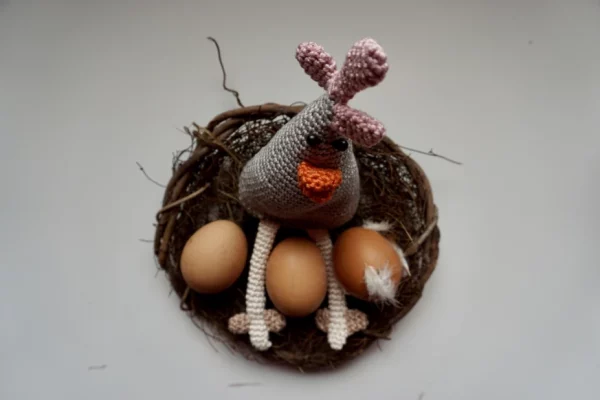
In some Indo-European traditions, eggs had a similar symbolic meaning. They illustrated the womb, life, and cosmic creation. Painted, they illustrated happiness and fertility. Their shape, however, was reminiscent of birth and reproduction. Like the ones we play with in bed.
Pre-Christian spring rituals across Europe heralded the return of sexual energy that was somehow hibernating over the winter. In the same way, pagans used the rituals to pay their respects to marriages between gods and goddesses and to awaken the earth. Among the goddesses, the most famous was the Germanic Ostara, goddess of spring, dawn, fertility, and rebirth. Most spring rituals were dedicated to her and later replaced by Christian Easter. The English word “easter” comes from the name of a Germanic goddess.
Pre-Christian cultures did not distinguish between the sexual and the natural, for them sexuality was equal to life energy. Easter aside, among the most important symbols of the time were snakes, representing regeneration and earth energy. Germanic and Slavic peoples associated them with spring storms that awakened the earth. Lilies, which we see today mainly in the mortuary, violets, and crocuses symbolized sexuality and feminine energy because of their flower shapes. The seeds symbolized insemination, the plow represented the masculine principle, and the soil was feminine.
Christianity preserves much pagan symbolism, but too much that is explicit has been erased or reinterpreted. An example of the latter is the snake, which in Christianity symbolizes sin and temptation. The plow, soil, and seed were preserved but given a different framework because they were too closely intertwined with people's lives. They talked about the blessing of the fields. Like snakes, goats, sometimes a symbol of sexuality, have acquired a negative meaning of lust and the devil.
What about eggs and rabbits? Eggs represent the resurrection, and rabbits represent the innocence of springtime. While I bite into a piece of ham or potica, I will rather remember the spring than the suffering of Christ, which I am already impatiently waiting for, because in addition to allergies, it is also supposed to bring fresh sexual energy into my life.








-0 comments-